Himalaya, Tibet–Nepal border
Cho Oyu
5/5Overall difficultyExtremeAn 8,000-meter Himalayan expedition objective on the Tibet–Nepal border. The catalog covers the standard Tibet-side ascent.
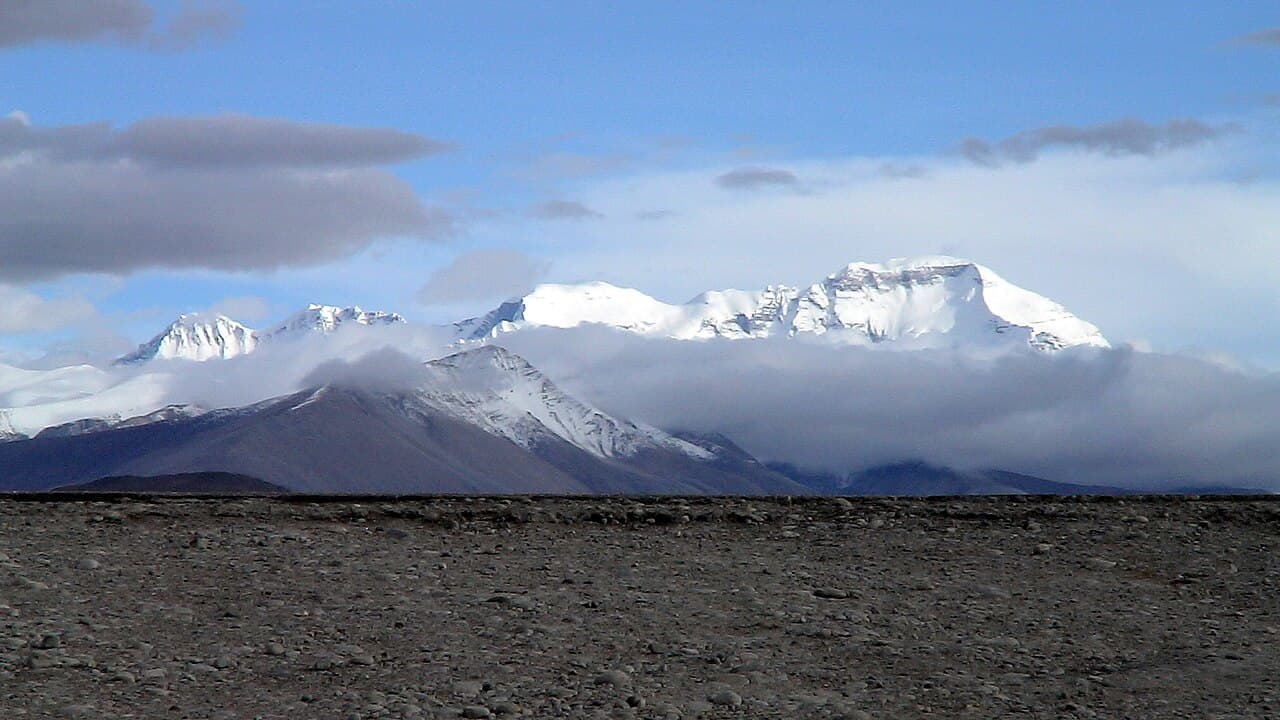 Robstar06 at German Wikipedia · Public domain
- Distance
- Not available; see measurement notes
- Ascent
- Not available; see measurement notes
- Descent
- Not available; see measurement notes
- Time
- ≈ 21 days; see measurement notes
Measurement notes
- Distance
- Distance review: The Tibet-side West Ridge envelope does not select an operator, camp rotation or expedition schedule. A package length or high-point elevation cannot stand in for route distance, cumulative vertical or total travel time.
- Ascent
- Ascent review: The Tibet-side West Ridge envelope does not select an operator, camp rotation or expedition schedule. A package length or high-point elevation cannot stand in for route distance, cumulative vertical or total travel time.
- Descent
- Descent review: The Tibet-side West Ridge envelope does not select an operator, camp rotation or expedition schedule. A package length or high-point elevation cannot stand in for route distance, cumulative vertical or total travel time.
- Time
- About three weeks at and above advanced base camp in the example expedition (days 16–36). Includes acclimatization rotations, rest and summit attempts; it is not continuous climbing time. Access travel, the lower approach and the return to Kathmandu are additional. Weather can extend the expedition. Planning context; conditions, party pace and technical delays can change these estimates.
The journey
- Advanced base campTibet-side start
- West RidgeTichy-route ascent
- High campsRepeated acclimatization and summit stages
- Summit plateauContinue to the true summit
- Advanced base campReturn along the West Ridge
Route sequence only; use the official route information ↗ for navigation.
An 8,000-meter expedition or another explicitly reviewed objective with comparable overall commitment. Exceptional altitude, expedition systems and sustained demands define this band.
For Tibet West Ridge summit and return.
How difficulty is rated
Our five levels combine physical effort, technical skills, altitude and overall commitment for the reviewed objective or route. Different challenges can lead to the same level; the numbers are broad bands, not equal steps in effort.
- 1 · Moderate
An introductory mountain objective or substantial hike. Expect sustained walking and climbing, sometimes on snow, without the systems or commitment of higher levels.
- 2 · Demanding
Long mountain days or multi-day treks with substantial climbing, carried loads, altitude or introductory alpine terrain. The combination requires deliberate preparation.
- 3 · Challenging
A demanding alpine climb, high-altitude objective or sustained trek. Glacier systems, exposed terrain, repeated long days or extended time at altitude add to the overall challenge.
- 4 · Very challenging
Sustained exposed technical climbing or a major expedition commitment. Technical complexity, heavy carries, altitude, remoteness or prolonged duration can drive this level.
- 5 · Extreme
An 8,000-meter expedition or another explicitly reviewed objective with comparable overall commitment. Exceptional altitude, expedition systems and sustained demands define this band.
Check the route details for the demands behind its level. Conditions and itinerary choices can change the challenge. This rates the objective, not your personal preparation.
Local training hikes have not been assigned an overall level. “Not rated” means no reviewed rating; it does not mean easy. They appear last when sorting by difficulty.
What to expect
- Snow
- Snow and ice travel are material to the reviewed expedition envelope.
- Crampon travel
- required
Before you make a plan
Check permits, reservations, access and current conditions for your chosen route and dates.
Sources and route notes
Tibet-side advanced base camp, West Ridge (Tichy route), high camps and summit plateau to the true summit, returning to advanced base camp. Excludes base-camp/lower-camp trips, other faces, winter, speed/pre-acclimatized and oxygen-free variants.
Review through Dec 20, 2026. Historical maps and photographs do not establish current conditions.
snow: Reviewed reference, not current access or a member booking; physical training can begin before logistics are arranged.
crampon travel: Reviewed reference, not current access or a member booking; physical training can begin before logistics are arranged.
itinerary days: About three weeks at and above advanced base camp in the example expedition (days 16–36). Includes acclimatization rotations, rest and summit attempts; it is not continuous climbing time. Access travel, the lower approach and the return to Kathmandu are additional. Weather can extend the expedition. Planning context; conditions, party pace and technical delays can change these estimates.
Full reviewed claims and assumptions
What it asks of you
Objective-wide planning ranges apply only to the reviewed scope below. They are not a selected route profile, a fitness threshold, or evidence of your skills.
Reviewed scope and assumptions
- Reviewed scope
- Cho Oyu summit objective: common physical conditioning for a standard expedition. No route, operator or itinerary selected. Excludes base-camp/lower-camp trips, other faces, winter, speed/pre-acclimatized and oxygen-free variants.
- Area
- Himalaya, Tibet–Nepal border
Snow travel
Snow and ice travel are material to the reviewed expedition envelope.
Scope, sources and review
Explicit assumption
- Reviewed reference, not current access or a member booking; physical training can begin before logistics are arranged.
Reviewed 2026-10-12 · evidence expires 2026-12-20
Crampon travel
required
Scope, sources and review
Explicit assumption
- Reviewed reference, not current access or a member booking; physical training can begin before logistics are arranged.
Reviewed 2026-10-12 · evidence expires 2026-12-20
Unlisted demands are not reviewed here; missing pack weights or weekly training targets are unknown, not zero. Confirm permit, access, equipment and conditions for your exact route and dates with the official sources.
Route-specific demand
Tibet West Ridge summit and return
- Reviewed scope
- Tibet-side advanced base camp, West Ridge (Tichy route), high camps and summit plateau to the true summit, returning to advanced base camp. Excludes base-camp/lower-camp trips, other faces, winter, speed/pre-acclimatized and oxygen-free variants.
- Start
- Advanced base camp
- End and return
- Advanced base camp
- Includes
- Summit ascent and return
- Includes
- Variable expedition camps
- Excludes
- Excludes base-camp/lower-camp trips, other faces, winter, speed/pre-acclimatized and oxygen-free variants.
- Season assumptions
- Standard non-winter expedition reference; actual season, border access and departure remain to be arranged.
- Itinerary assumptions
- Camp rotations and timing are set by the expedition team; no daily schedule selected.
Snow travel
Snow and ice travel are material to the reviewed expedition envelope.
Scope, sources and review
Explicit assumption
- Reviewed reference, not current access or a member booking; physical training can begin before logistics are arranged.
Reviewed 2026-10-12 · evidence expires 2026-12-20
Crampon travel
required
Scope, sources and review
Explicit assumption
- Reviewed reference, not current access or a member booking; physical training can begin before logistics are arranged.
Reviewed 2026-10-12 · evidence expires 2026-12-20
Route reviewed 2026-10-12 · review expires 2026-12-20. These demands apply only to this route and its stated assumptions.
Sources and review
- Alpine Ascents: Cho Oyu summit expedition ↗
- Alpine Ascents: Cho Oyu itinerary ↗
- Alpine Ascents: Cho Oyu equipment ↗
- Foreign-team mountaineering approval ↗
Reviewed 2026-10-12 · review expires 2026-12-20. Dates reflect operator review, not current route conditions — check conditions before you go.